Boat Motor Repair Tips
Published by Ian Fortey in Boats Last updated on April 27, 2021
The very idea of boat engine repair can make a lot of boaters nervous. Who has the time and skill to do some outboard engine repair? Luckily, a lot of engine repair can be averted by good engine maintenance. Proper boat maintenance is how you cut off repairs at the pass.
Knowing how to maintain spark plugs, fuel lines, and other engine parts is crucial. This ensures a smooth-running engine. Let’s take a look at what kind of maintenance your engine requires. As well, some of the basic boat engine repair you can do without calling in a professional.
General Outboard Maintenance
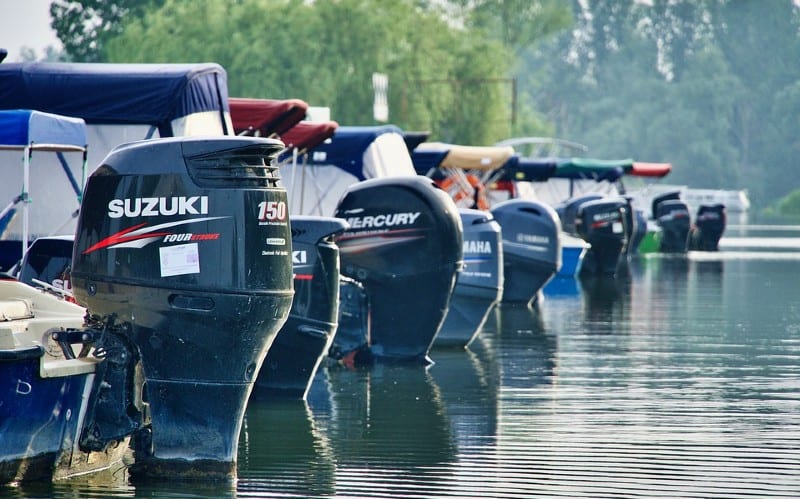
Whether it’s a car or a boat, no one wants to have to visit a mechanic. Still, if you’d rather have a boat that runs and won’t leave you stranded, you need a mechanic. Your best bet is to start every season with a tune up. Have a mechanic take a look at your outboard to make sure there are no issues. From there, you should be able to handle the basic maintenance to keep it running well.
- Flush the engine. This little step should be done every time you take your boat out. Of course few boaters take the time, but the rewards are worth the effort. Whether you boat on saltwater or freshwater, you need to flush it out after every use. To flush the engine you will need a set of “rabbit ears” (two flexible rubber seals connected with a metal clamp). Simply slip this apparatus onto the lower unit where the water is picked up and attach a garden hose. Start up the engine and let the water pump do the rest. (Be sure to stay clear of the prop and make sure no one tries to shift into gear)
- Check the water pump as you flush the engine. Use your hand to get a feel for the flow. You should have a warm, strong flow. Not hot, and not very weak, either. If the flow seems weak, you have a blockage. If that is the case, shut the engine down.
- If you have a clog, use some wire or something thin and sturdy. Insert it into the flow tube and try to release the clog.
- Restart the engine to see if the clog has released. If not, you may need a technician to inspect it.
- After flushing, disconnect the fuel line. With the fuel line disconnect, let the engine burn all the fuel in the carburetor. You should be using fresh fuel for this. You should always recycle your old fuel at the beginning of a new season.
- Unless your manual says otherwise, avoid more than 10% ethanol fuel.
- Check the fuel lines for any cracks or damage. Replace any that look weak.
- Make sure the fuel line fittings aren’t leaking.
- Check the clamps and the fuel tank for corrosion.
- Make sure the vent is aspirating properly.
- Remove caps and drain the engine heat exchanger.
- Check the cylinder heads for damage.
- Once you have flushed the engine and run out the fuel, turn it off. Turn off the battery switch, then open the cover to look for leaks. If there are leaks, you may require a mechanic.
- If there are no leaks, wipe the engine down. Spray it with some water displacing lubricant like WD-40. Make sure all moving parts are well lubricated. This includes throttle cables, shift cables, and valves.
- Inspect belts and replace any that are cracked and worn.
- Give the impeller and pump a quick inspection.
- Keep your prop clean and also the shaft. Props can get tangled in weed and debris very easily. It may bunch up around the shaft and cause engine overheating.
- Inspect through-hull fittings. Make sure all valves work properly.
- Clear any water strainers of debris and junk.
Checking the Owner’s Manual
There are a handful of maintenance tasks that need to be done regularly. Some of these follow a “rule of thumb” for how often they need to be done. Your owner’s manual is going to tell you for sure how often they need to be done. When the internet says one thing and your owner’s manual says another, listen to the manual. Any troubleshooting should start with the manual.
- Change your oil frequently. This should happen at least once per season. Follow the recommendations in your owner’s manual. This will let you know when to change it. It will also explain what kind of oil to use.
- Check the transmission and lower units. You should service the transmission when your manual recommends it.
- Transmission fluid, coolant, and all other fluids need regular changes. Your manual will explain all of this as well.
Outboard Motor Repair
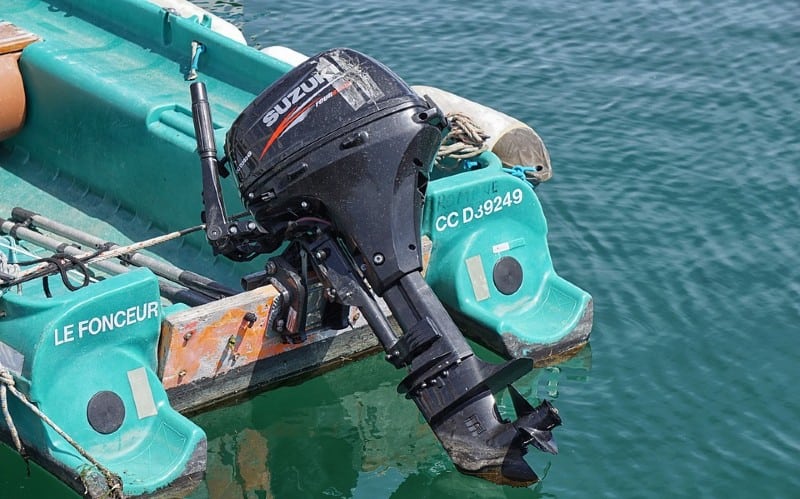
Despite your best efforts, there will be times when things go wrong. Knowing how to handle some basic repairs is important. Much like knowing how to change a tire on your car can save you a lot of trouble. Here are a few steps you can take to make boat repairs easier.
- Invest in a marine tool kit. You can get the basic supplies you need. Things like wrenches, screwdrivers, pliers, vise grips, duct tape and a hammer. The box itself should float for some added safety.
- Keep a spare parts kit. You should have parts that can wear out on hand. Spark plugs, hoses, impellers, belts, points, plugs and so on. Any small, easy to change part that you can handle swapping out on your own.
- Keep a backup fuel supply. You don’t need a ton, but a jerry can of fuel in case of some kind of emergency causes a leak. Or in case you burn though more than planned.
- Keep some spare containers handy. A bucket for bailing is good. Smaller containers as well. If you find an oil leak, for instance, a container to collect leaks could save the day. Collect the leaking oil and return it to the engine every time it fills until you get back to shore.
- Inspect a stalled outboard motor thoroughly. Has it flooded? Did the prop get tangled? Did the boat run aground? Did the fuel run out? Check everything step by step.
- Broken belts can be replaced with temporary solutions. Old fishing line, strings from swim suits, even a duct tape belt. Secure the ends with a square knot and get to safety asap.
- Broken lines can also be repaired with duct tape, or even a shirt tied tightly around a leak. This can hopefully stave off disaster long enough to get you to a mechanic.
Boat Repair Final Thoughts
No one expects you to be a marine engine expert. But knowing how to prevent or adapt to a breakdown can save a lot of time and money. Preventive maintenance is best, and in the moment repairs can go a long way towards saving the day.

Categories: Boats












1 Comment
RobertHan on February 12, 2022
Draining your fuel tank can be a stress-free task if I have the right materials with me. The step-by-step guide on how to drain it properly will save me from paying on other professionals. Knowing how to drain gas from boat fuel tank is an essential skill.:)